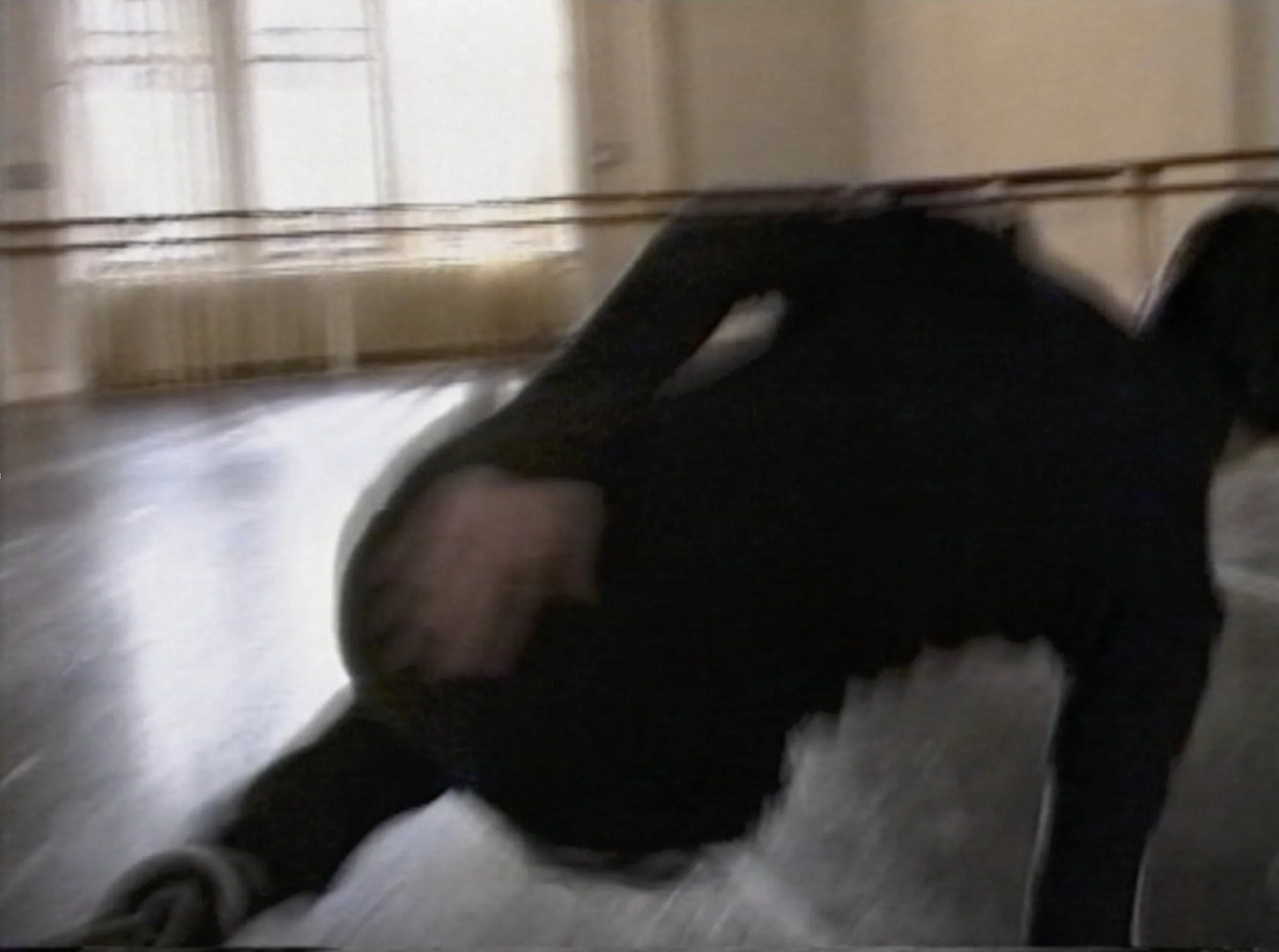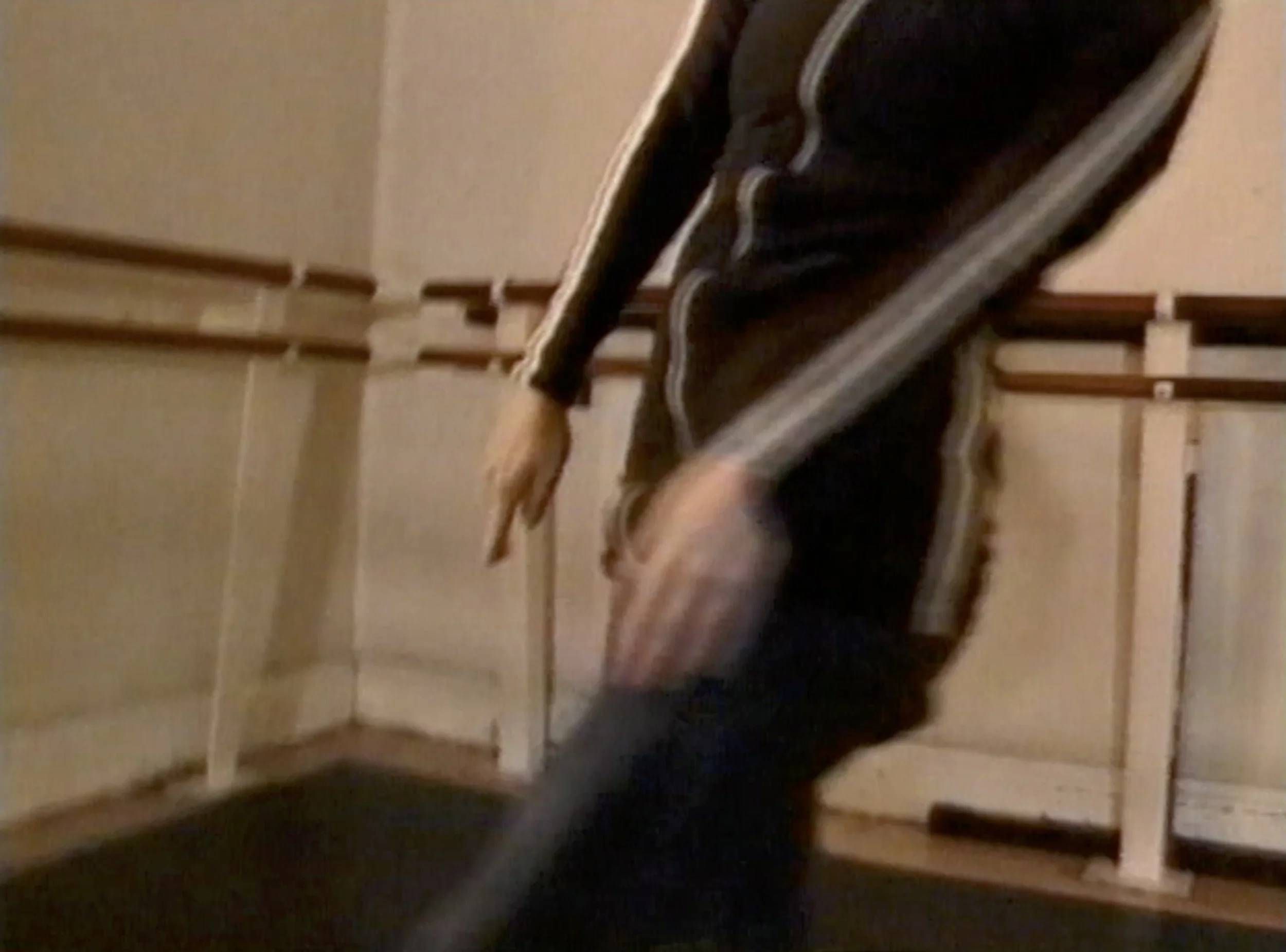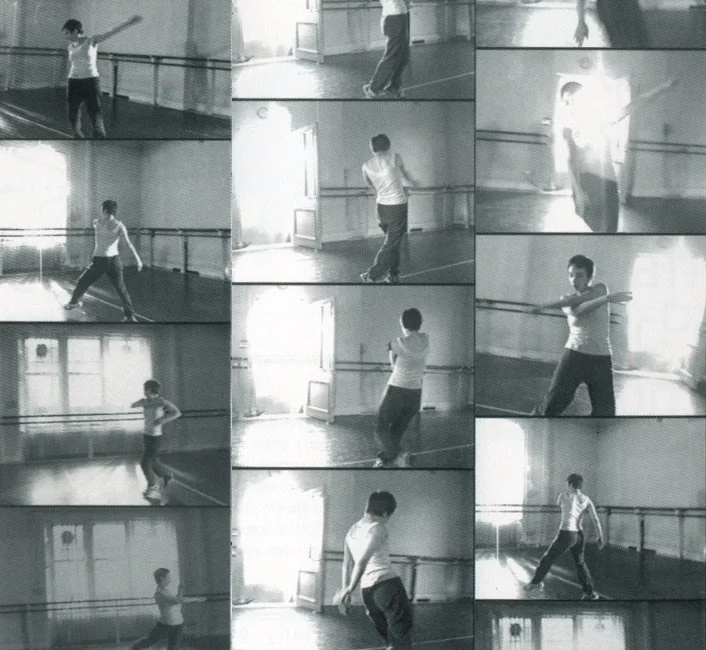
Pace (1995)
Directed by Katrina McPherson, performed by Marisa Zanotti and with a soundtrack by Philip Jeck, Pace was commissioned for the BBC/Arts Council of Great Britain’s prestigious Dance for the Camera series and first broadcast on BBC2.
Pace was curated by John Akomfrah as part of the “History is Now” exhibition at the Hayward Gallery, London in 2015, and is included on the BFI Player’s “John Akomfrah Selects programme”, one of seven artists films that provide “a glimpse into a range of intellectual, cultural and political transformations that shaped Britain in the second half of the 20th century."
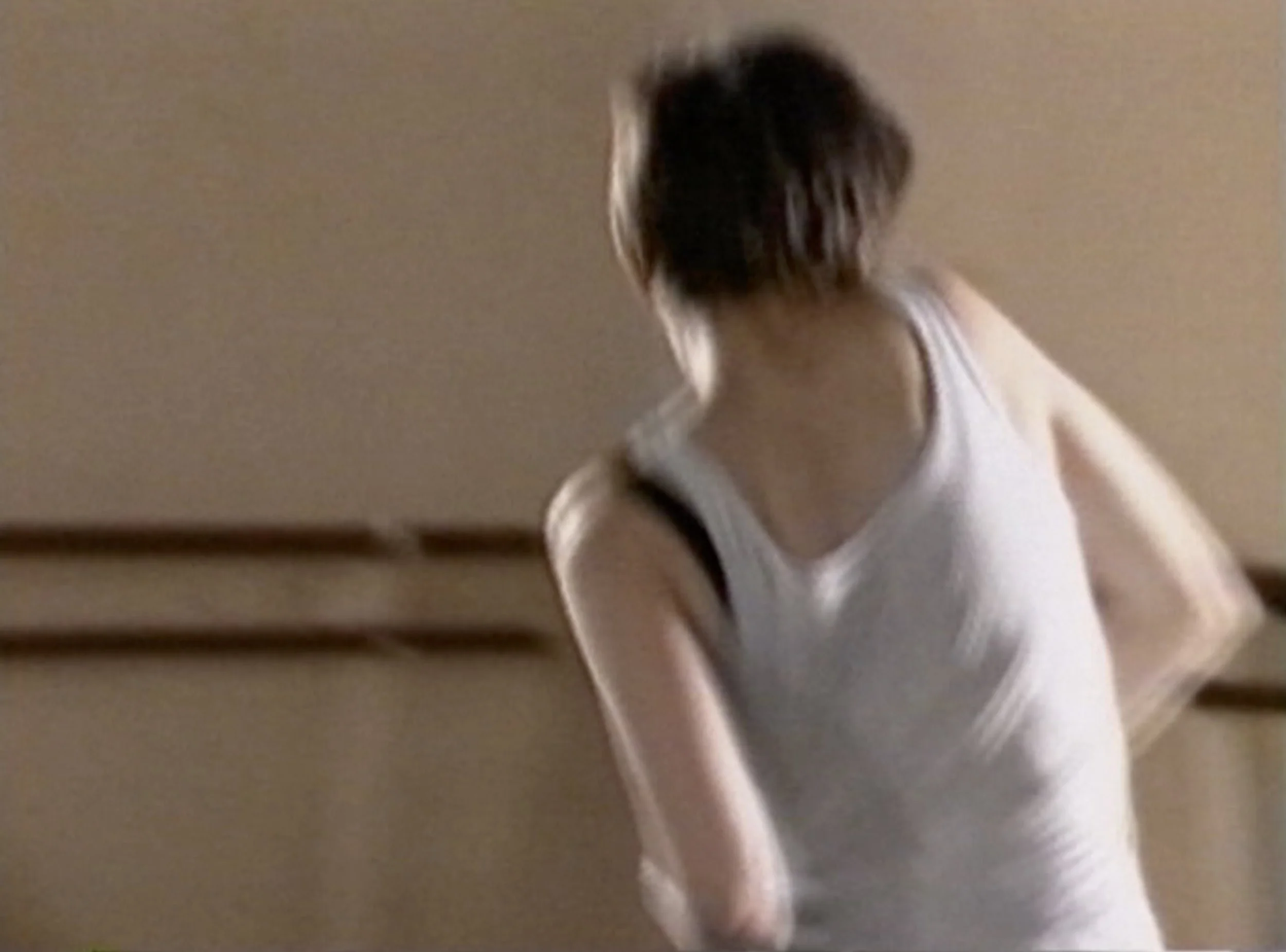
Montage Dynamic Eexperimentation
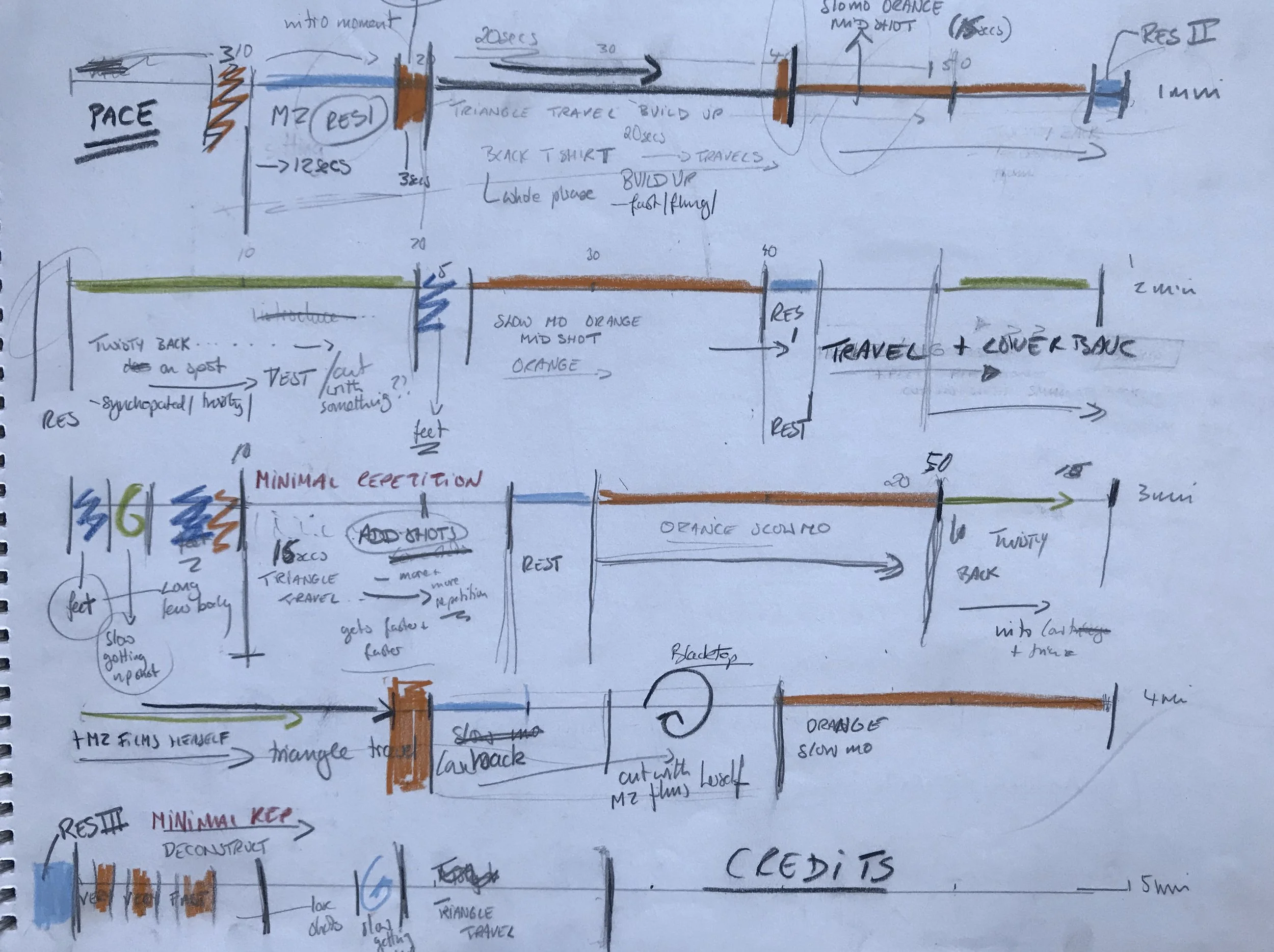
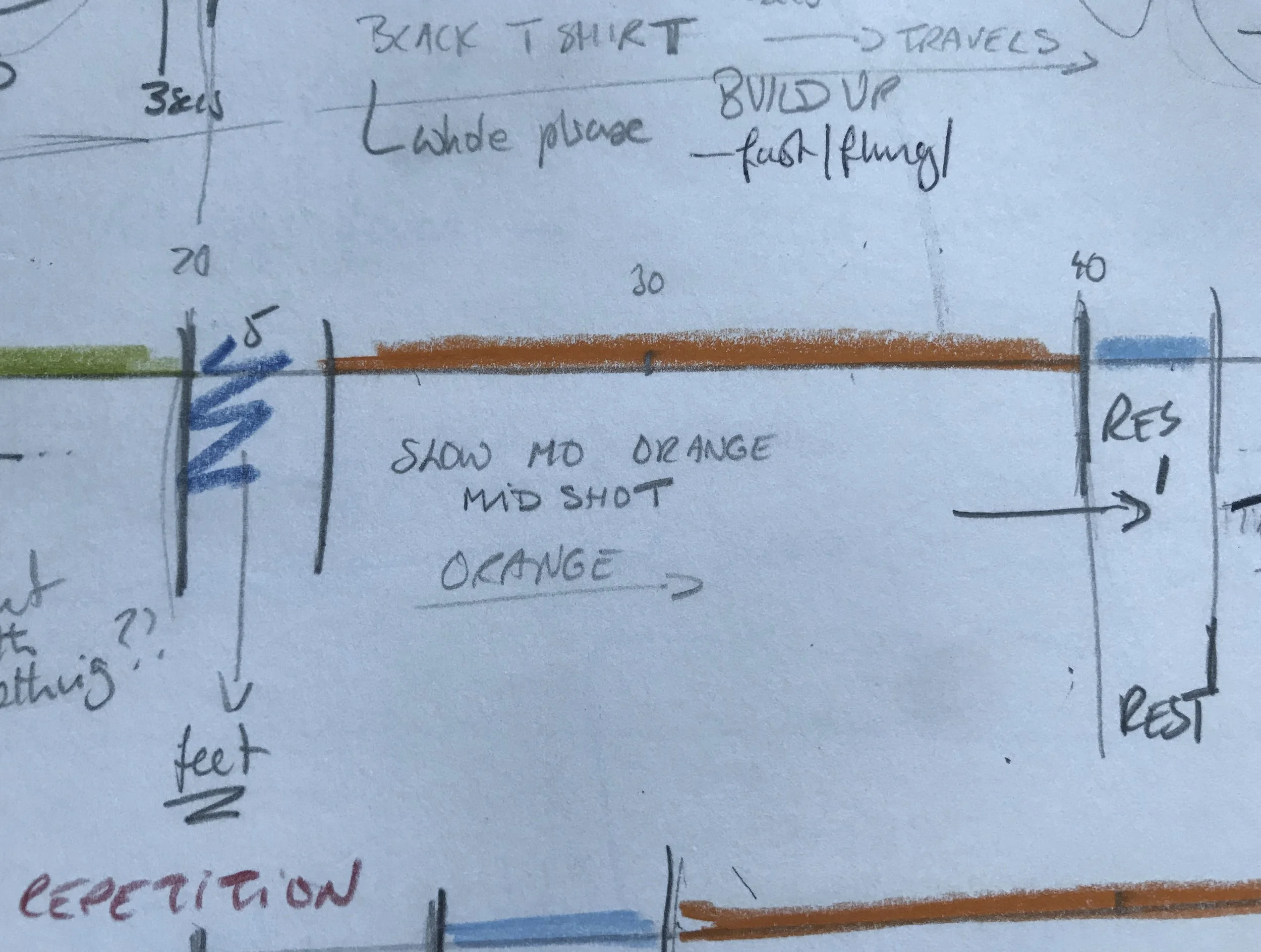
The material for Pace was generated through improvised scores for dancer and camera and shaped by montage editing, an approach which draws on McPherson’s background in postmodern dance, video art and television directing. Here, the sequencing of single loops and patterns of images creates a dynamic whereby multiple timeframes become visible and unfurl simultaneously.
With the broadcast production budget available, McPherson and team could employ what were, at the time of making, cutting-edge technologies of a lightweight Hi 8 camera and non-linear digital editing software, enabling new levels of experimentation in these foundational areas. Over the 30 plus years since first screened on BBC2, Pace has been viewed extensively, in many different contexts and on ever-changing platforms and formats. It remains fresh and genre-pushing as ever.
Screenings →
Pace has had numerous international festival and gallery screenings, a selection of these being:
Oberhausen Short Film Festival, Germany, 1996
IMZ Dance Screen, Frankfurt 1997
Rotation ’03 in Helsinki, Finland, 2003
Rygards Hybrid, Montreal, 2019,
SCREENDANCE.CLUB , Yerevan, Armenia, 2022
Scottish Academy + Visual Arts Scotland CutLog Exhibition, Royal Scottish Academy Gallery in Edinburgh, December 2019 – February 2020
Jumping Frames Festival, Hong Kong, November 2025.
Pace has also been analysed and written about extensively, in thesis, dissertations, published articles and books.
“The dancer moves around the rehearsal studio in a relaxed, release technique style; yet the high-speed edit gives the work a frenetic, high energy quality.”
Dodds, S. (2001). Dance on Screen: Genres and Media from Hollywood to Experimental Art. New York: Palgrave.